How Professional Coaches Take Better Match Notes
Great match notes are short, specific and time-stamped. Here's the system professional soccer coaches use to capture observations that turn straight into player feedback.
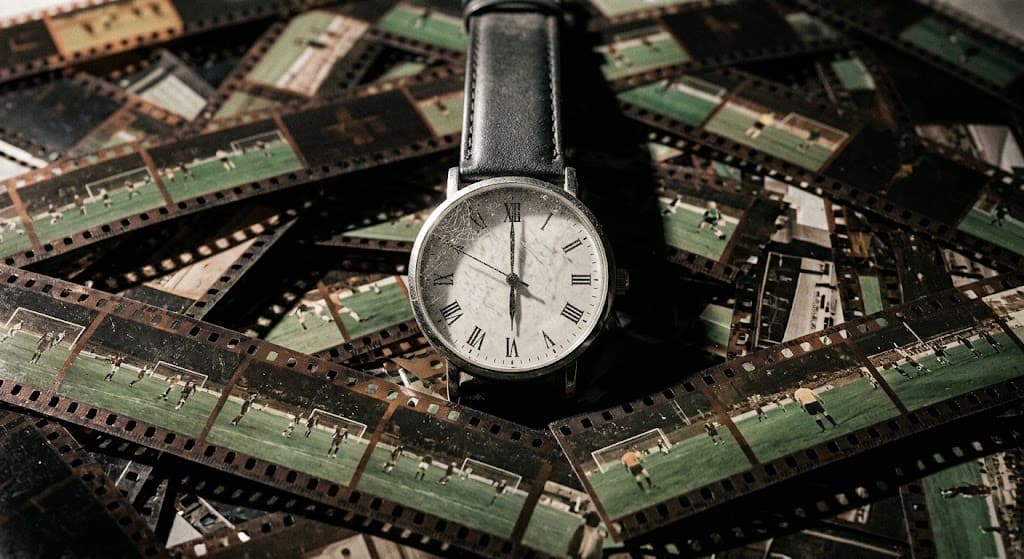
Great coaches don't remember everything.
They create systems.
One of the most valuable systems in modern coaching is effective match note-taking.
The purpose of match notes isn't documentation.
It's creating better player feedback.
And better notes are what make film review fast instead of painful — the problem behind why coaches lose five-plus hours a week reviewing film.
The Biggest Mistake Coaches Make
Many coaches write down everything.
This creates pages of information that are difficult to review later.
Professional coaches focus on observations that lead to action.
Instead of writing:
"Lost possession in midfield."
Write:
"Lost possession after receiving with closed body shape."
The second observation creates a coaching opportunity.
What To Capture During Matches
Focus on moments that affect outcomes.
Team Tactical Notes
- Pressing effectiveness
- Defensive shape
- Build-up patterns
- Transition moments
- Set pieces
Individual Player Notes
- Decision making
- Positioning
- Technical execution
- Communication
- Repeated behaviors
Positive Examples
Many coaches only capture mistakes.
Professional coaches also document successful actions.
Players need examples of what good performance looks like.
Use Time References Whenever Possible
A note without a time reference creates work later.
Compare these:
"Center back failed to track runner."
Versus:
"54:22 — Center back failed to track runner."
The second note can immediately be connected to video.
This dramatically reduces review time — the difference between a match costing one hour of review instead of six. That's the workflow gap behind rewatching full matches.
Organize Notes Into Themes
After the match, group observations into:
- Attack
- Defense
- Transition
- Set pieces
- Individual development
Patterns emerge quickly.
Patterns create better coaching conversations.
Keep Notes Short
The best notes are brief.
Your goal is to capture observations.
Not write essays.
A few words at the right moment are often enough.
Great Coaching Starts With Great Observation
The quality of player feedback depends on the quality of observations.
The quality of observations depends on the quality of notes.
When coaches build a reliable system for capturing key moments, they spend less time trying to remember what happened and more time helping players improve.
That's where development happens.